

Introduction
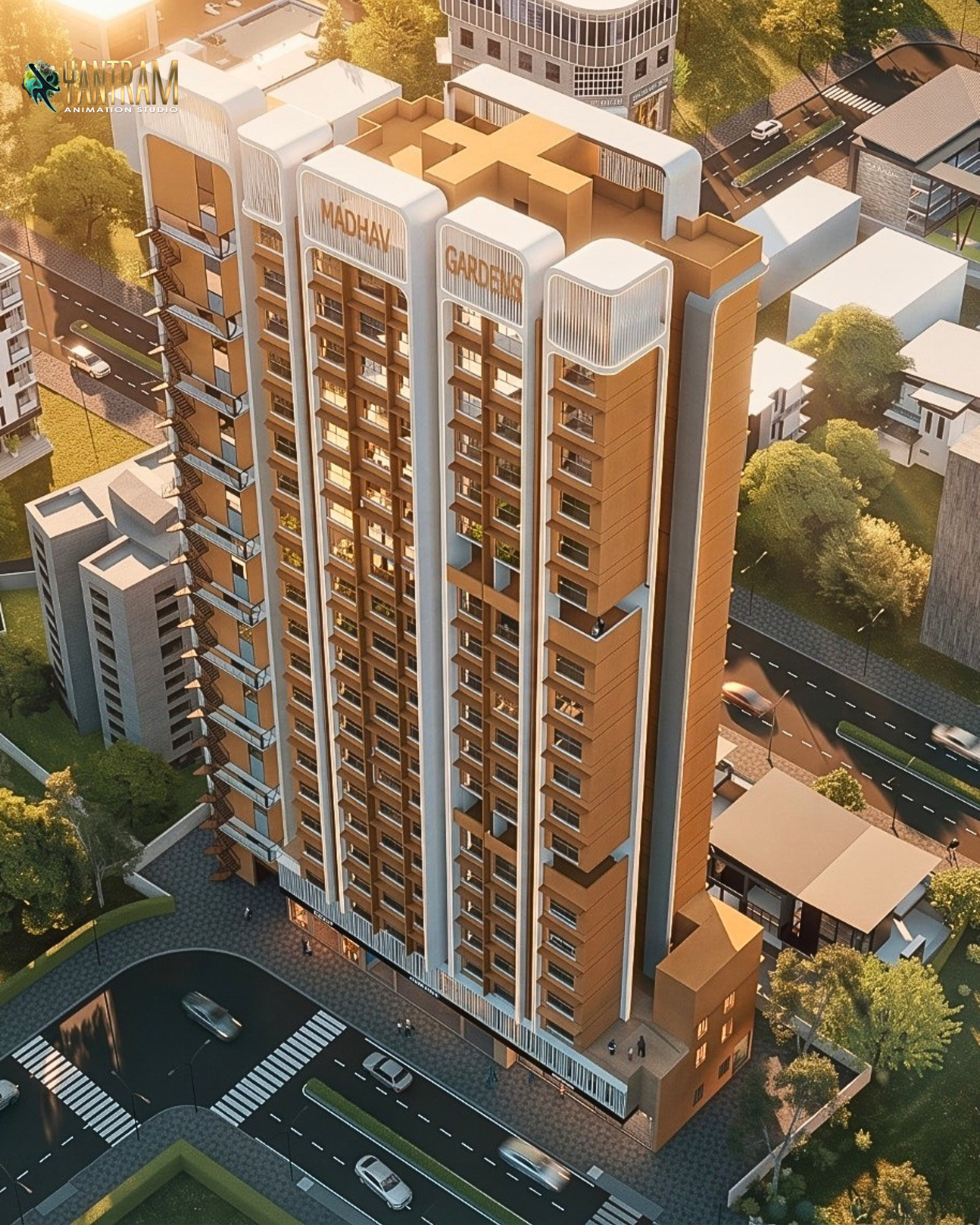
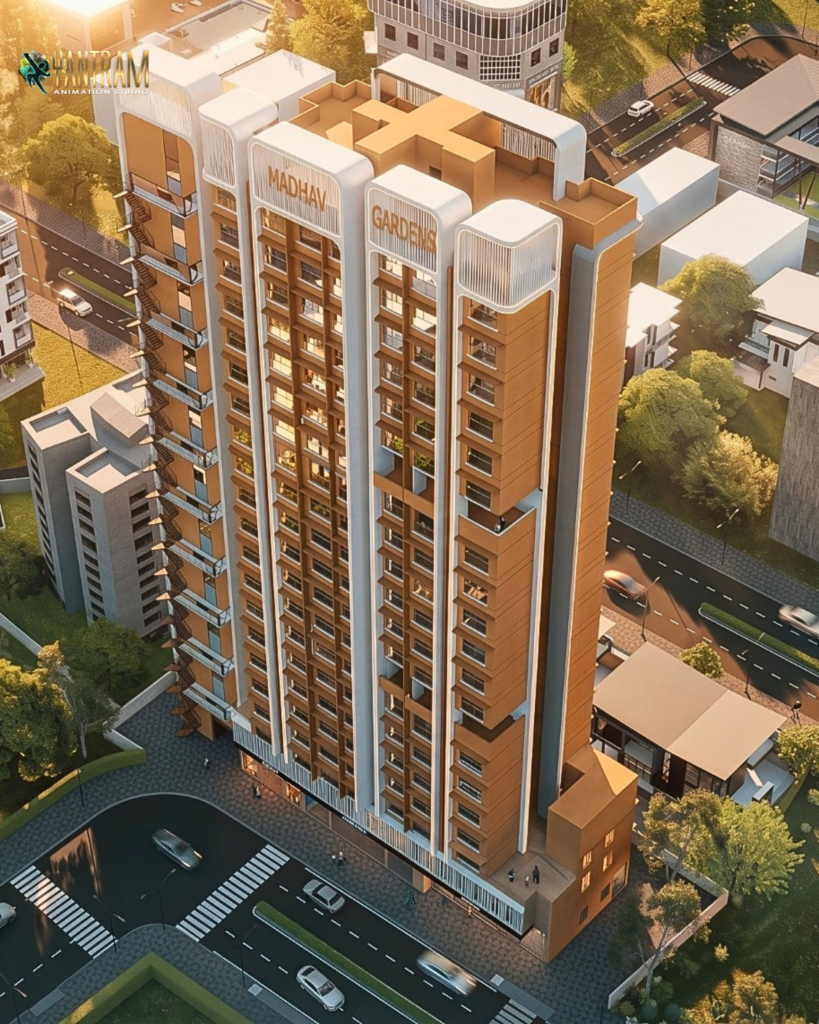
Commercial building rendering has become an essential tool for developers, investors, architects, and project stakeholders looking to showcase large-scale developments before construction begins. Whether it’s an office tower, retail center, luxury hotel, or mixed-use complex, high-quality 3D architectural visualization helps communicate design intent, secure approvals, attract investors, and support marketing efforts. By transforming technical plans into realistic visual experiences, commercial renderings make complex projects easier to understand and evaluate.
Why Commercial Building Rendering Matters for Large-Scale Developments
Commercial projects involve substantial investments, multiple stakeholders, and lengthy approval processes. Traditional blueprints and technical drawings often fail to communicate the full design intent to non-technical audiences.
Professional commercial building renderings transform architectural plans into realistic visual representations that showcase:
- Building massing and scale
- Exterior materials and finishes
- Landscaping and public spaces
- Traffic circulation and parking
- Pedestrian activity
- Lighting conditions
- Environmental context
These visual assets help stakeholders understand how the project will function and appear in the real world long before construction begins.
Winning Approvals Through Visual Clarity
Municipal authorities, planning commissions, and approval boards often require a clear understanding of how a proposed development will impact its surroundings.
Demonstrating Urban Integration
A realistic 3D architectural visualization illustrates how the development fits within the existing neighborhood, including:
- Adjacent buildings
- Streetscapes
- Public spaces
- Transportation networks
- Green areas
This contextual presentation helps approval authorities evaluate the project’s compatibility with local regulations and urban design objectives.
Simplifying Complex Designs
Large-scale commercial developments frequently include multiple structures, amenities, parking facilities, and public infrastructure. 3D renderings simplify these complexities by presenting them in an intuitive visual format that all stakeholders can easily understand.
As a result, review cycles become faster, communication improves, and costly misunderstandings are minimized.
How Commercial Building Rendering Helps Secure Project Approvals
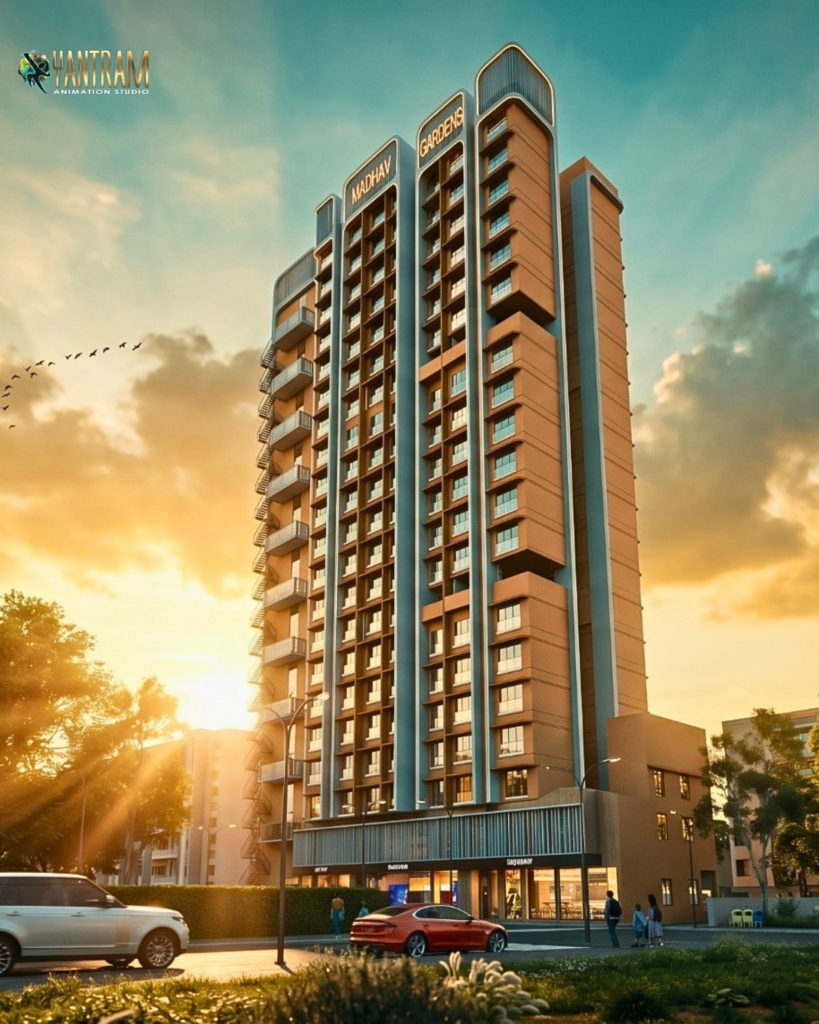
Investors are not simply funding a building—they are investing in a future opportunity. High-end commercial building renderings help bridge the gap between concept and reality.
Creating Investor Confidence
Photorealistic renderings allow investors to visualize:
- Property value potential
- Tenant appeal
- Brand positioning
- Market competitiveness
- Long-term development vision
The more clearly investors can envision the completed project, the easier it becomes to secure funding and strategic partnerships.
Enhancing Presentation Materials
Commercial developers often use renderings in:
- Investment presentations
- Pitch decks
- Marketing brochures
- Project websites
- Crowdfunding campaigns
- Stakeholder meetings
Compelling visuals create a stronger emotional connection and significantly improve presentation effectiveness.
The Role of Commercial Building Rendering in Pre-Construction Marketing
One of the biggest challenges in commercial building rendering is accurately conveying scale.
Large developments such as office parks, shopping centers, convention facilities, and luxury hotels require careful visualization techniques to communicate their size without overwhelming viewers.
Professional visualization artists use:
- Aerial perspectives
- Drone-style viewpoints
- Human-scale perspectives
- Wide-angle compositions
- Multi-building overview shots
These techniques help audiences understand the project’s dimensions while maintaining visual clarity.
Using Entourage to Bring Projects to Life
In architectural visualization, “entourage” refers to the supporting elements that create realism and context.
For commercial projects, entourage may include:
- People
- Vehicles
- Outdoor seating
- Street furniture
- Landscaping
- Signage
- Retail activity
- Hotel guests
- Business professionals
Strategically placed entourage transforms a static building into a vibrant destination.
For example:
- A hotel rendering may show guests arriving at the entrance.
- An office tower visualization may feature professionals interacting in outdoor plazas.
- A retail center rendering may depict shoppers enjoying the public realm.
These details help investors and stakeholders imagine the future success of the development.
Context Is Critical for Commercial Success
Commercial developments do not exist in isolation. Their success often depends on surrounding infrastructure, accessibility, and neighborhood integration.
Effective 3D architectural visualization incorporates:
Surrounding Environment
- Existing buildings
- Nearby landmarks
- Transit connections
- Public parks
- Roads and intersections
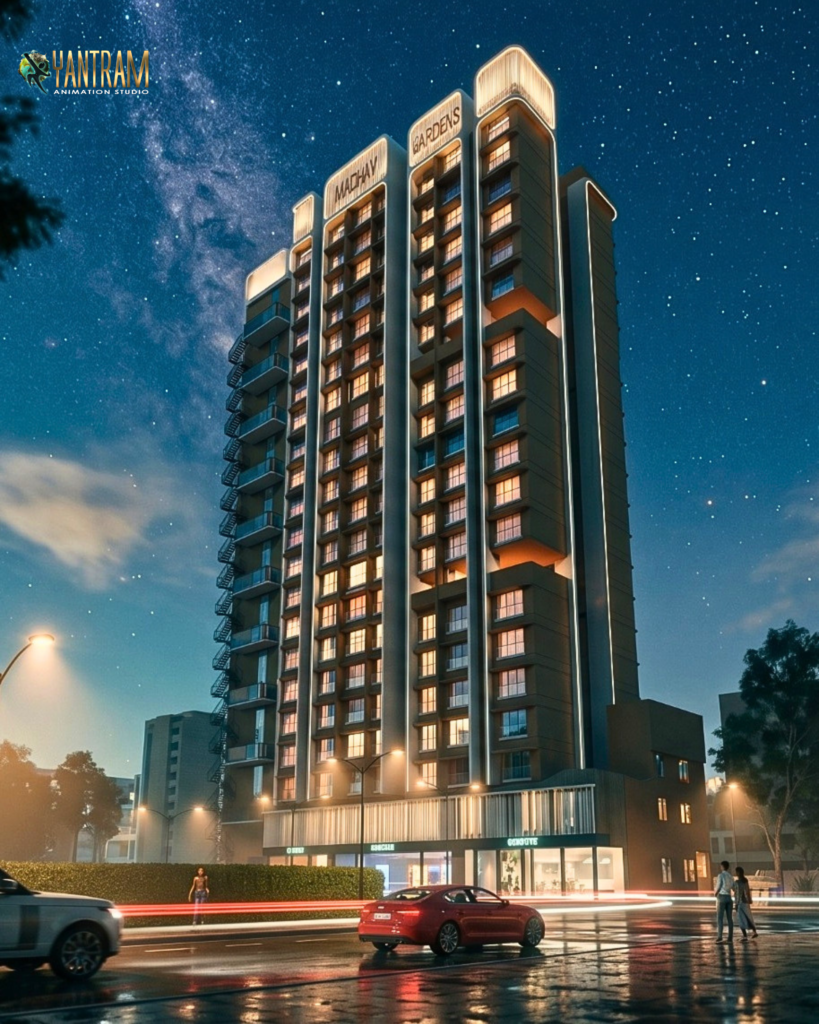
Day and Night Perspectives
Different lighting conditions reveal unique project characteristics.
Daytime renderings highlight:
- Architectural materials
- Landscaping
- Site planning
Evening renderings showcase:
- Building illumination
- Retail activity
- Hospitality ambiance
- Urban vibrancy
Together, these perspectives provide a complete understanding of the project’s visual impact.
Commercial Building Rendering for Office Towers, Hotels, and Retail Centers
Office Towers
Modern office developments rely on architectural visualization to communicate prestige, functionality, and workplace experience.
Retail Centers
Retail projects use renderings to attract tenants, investors, and city approvals while showcasing customer experiences.
Hotels and Hospitality Projects
Luxury hotels, resorts, and mixed-use hospitality developments benefit from immersive exterior visualizations that emphasize guest arrival experiences and premium amenities.
Mixed-Use Developments
These projects combine residential, commercial, retail, and hospitality components, making visualization essential for demonstrating how all elements work together.
Commercial Building Types That Benefit Most from Rendering
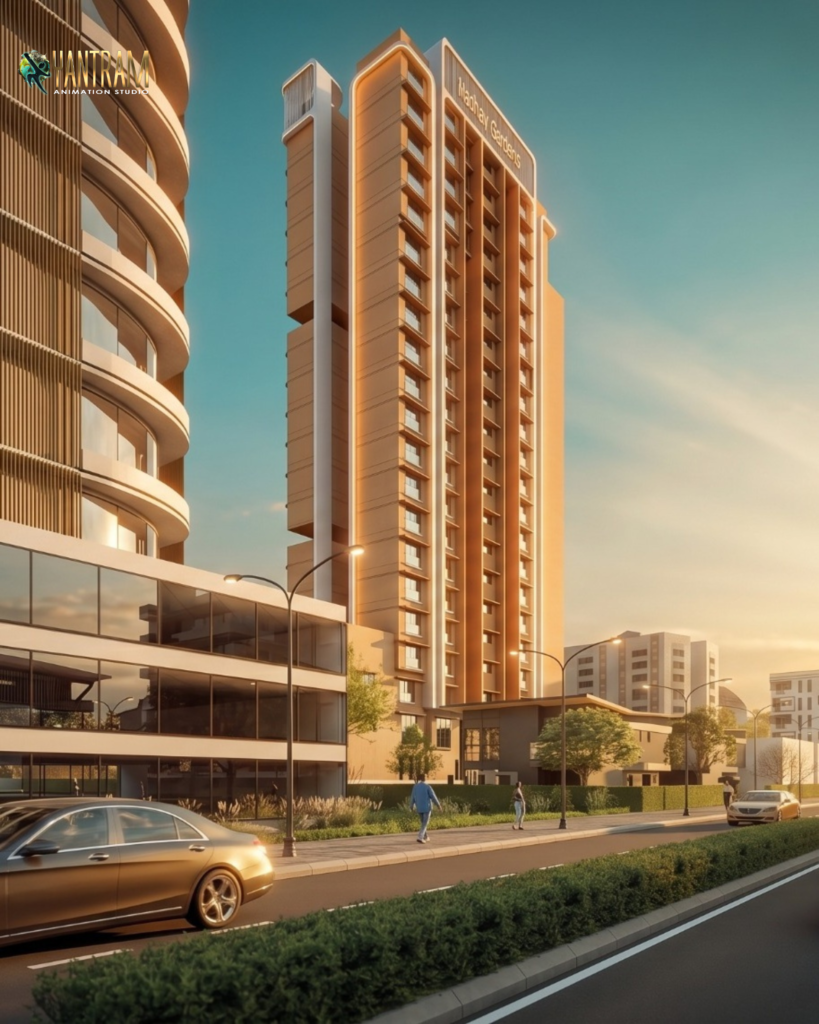
One of the most powerful advantages of commercial building rendering is the ability to market projects before they are built.
Developers can begin:
- Pre-leasing campaigns
- Tenant acquisition
- Investor outreach
- Public engagement
- Media promotion
Months or even years before project completion.
This early marketing momentum often accelerates project success and improves return on investment.
Benefits of Commercial Building Rendering for Commercial Developers
Today’s commercial real estate market demands transparency, visualization, and confidence. Traditional drawings alone can no longer satisfy investors, planning authorities, or prospective tenants.
Professional 3D Exterior Rendering provides:
- Faster project approvals
- Better stakeholder communication
- Increased investor engagement
- Improved marketing effectiveness
- Enhanced project credibility
- Stronger competitive positioning
As commercial developments become larger and more complex, high-quality commercial building rendering and 3D architectural visualization continue to play a critical role in transforming concepts into approved, funded, and successful projects.
Conclusion
From office towers and retail destinations to luxury hotels and mixed-use developments, commercial building rendering has become an essential component of modern project delivery. By effectively showcasing scale, entourage, context, and architectural quality, developers can secure approvals faster, attract investors more effectively, and market projects with greater impact.
Organizations that invest in professional 3D architectural visualization gain a significant advantage in communicating their vision, reducing risk, and accelerating commercial success.
Request a Commercial Building Rendering Consultation
If you’re planning a commercial development and need photorealistic 3D Exterior Rendering services, our team can help transform your architectural concepts into compelling visual experiences that support approvals, investor presentations, and pre-construction marketing initiatives.