



3D Architectural Rendering Benefits for Faster Approvals
In today’s fast-paced architecture and construction industry, project success depends on clear communication, efficient planning, and faster approvals. One of the most valuable 3D Architectural Rendering Benefits is the ability to help architects, project managers, developers, and clients visualize projects before construction begins. Through realistic visualizations, stakeholders can evaluate designs with confidence, reduce misunderstandings, and make faster decisions. As a result, projects achieve quicker approvals, lower redesign costs, and improved overall efficiency throughout the design approval process.
3D Architectural Rendering Benefits for Lower Redesign Costs
Traditional design approval methods rely heavily on 2D drawings, sketches, mood boards, and physical mock-ups. Although these tools communicate design intent, they often leave room for interpretation.
Consequently, clients may struggle to visualize the final space. This confusion can lead to repeated revisions, delayed approvals, and increased project costs. Furthermore, creating physical mock-ups requires additional time, labor, and materials.
Therefore, many design professionals now use advanced design visualization tools to streamline communication and accelerate approvals.

The Future of 3D Architectural Rendering Benefits
Mod3D architectural rendering creates photorealistic images that accurately represent a proposed architectural space. These visualizations showcase furniture layouts, lighting conditions, materials, textures, colors, and architectural details.
Additionally, stakeholders can explore multiple design options before construction begins. As a result, they gain confidence in the final design and make informed decisions faster.
For Amsterdam luxury residences, high-quality renderings help clients experience elegant living spaces before any physical work takes place.
3D Rendering Benefits Compared to Traditional Design Methods
Faster Client Approvals
One of the most significant 3D rendering benefits is faster approval cycles. Instead of interpreting technical drawings, clients can view realistic visual representations of their future interiors.
Consequently, they understand the design more clearly and provide feedback earlier. Furthermore, clear communication reduces misunderstandings and minimizes approval delays.

3D Rendering Benefits for Developers and Project Managers
Traditionally, developers often build sample rooms or material mock-ups to demonstrate design concepts. However, these physical models require additional investment.
By using photorealistic design visualization, teams can present realistic alternatives digitally. Therefore, they reduce material costs while maintaining design accuracy.
Why Architects Value 3D Rendering Benefits
Design changes become increasingly expensive once construction begins. Fortunately, 3D interior rendering helps identify potential issues during the planning phase.
For example, architects can evaluate lighting conditions, furniture placement, circulation paths, and material combinations before implementation. As a result, teams avoid costly redesigns and construction modifications.

Improved Collaboration
Successful projects require collaboration among architects, developers, contractors, and clients. Moreover, realistic renderings create a shared understanding of project goals.
Because everyone views the same visual information, communication becomes more effective. Consequently, project teams work more efficiently and reduce decision-making conflicts.
Traditional Workflow vs. 3D Architectural Rendering Benefits
3D-Assisted Design Approval Workflow
Traditional Design Workflow
- Initial sketches and 2D drawings
- Multiple client meetings
- Physical mock-ups and samples
- Repeated revisions
- Longer approval cycles
- Higher redesign expenses
3D-Assisted Workflow
The Amsterdam LuxDetailed 3D architectural rendering
Realistic design visualization
Faster stakeholder feedback
Fewer revisions
Reduced mock-up costs
Faster architecturalr design approval
As a result, developers and architects save both time and money while delivering better project experiences.
Amsterdam Luxury Residence Architectural Rendering: A Business Advantage
ProfessioLuxury residential developments demand precision, elegance, and exceptional client experiences. Therefore, Amsterdam Luxury Residence Architectural Rendering plays a critical role in project success.
High-end clients expect complete clarity before approving significant investments. Furthermore, realistic visualizations help showcase premium materials, sophisticated lighting, and luxury interior details.
Consequently, developers can market properties more effectively while securing approvals with greater confidence.

Maximizing Architectural Design Approval with 3D Rendering Benefits
As architectural projects become more complex, the role of design visualization will continue to expand.
Realistic rendering technologies are helping project teams move beyond traditional drawings and toward immersive decision-making experiences. The ability to see, evaluate, and refine spaces before construction begins is transforming the entire interior design approval process.
For luxury residential developments such as the Amsterdam Luxury Residence, investing in professional 3D rendering is no longer just a presentation tool—it is a strategic business decision that saves both time and money.
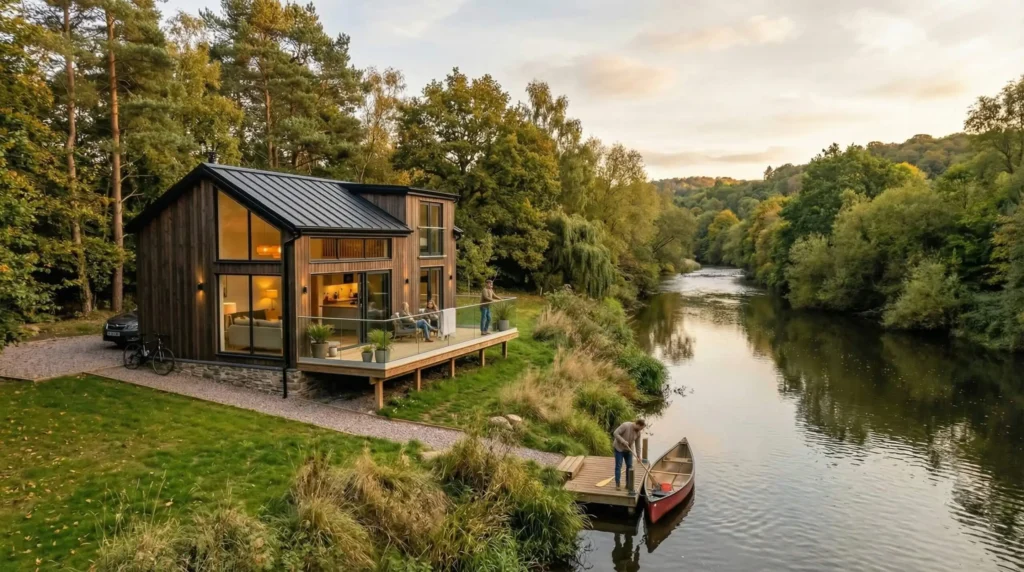
Why Architects Choose 3D Architectural Rendering Benefits 3D Rendering
LooToday, industry professionals rely on 3D rendering benefits because they improve project efficiency at every stage.
Architects use renderings to communicate design intent clearly. Meanwhile, project managers use visualizations to coordinate teams and manage expectations. Developers leverage realistic imagery to secure approvals, attract investors, and support marketing campaigns.
Therefore, 3D architecturalr rendering has become an essential tool for modern project delivery.
Conclusion
The design approval process no longer needs to be slow, expensive, or uncertain. Through advanced design visualization, project teams can communicate ideas more effectively, reduce revisions, and accelerate approvals.
Moreover, 3D architecturalr rendering minimizes the need for physical mock-ups and helps stakeholders make informed decisions earlier in the project lifecycle. As a result, architects, project managers, and developers save valuable time and reduce overall project costs.
For luxury projects such as Amsterdam Luxury Residence Architectural Rendering, realistic visualization provides a powerful competitive advantage and ensures a smoother path from concept to completion.
Request Architectural Rendering
Looking to accelerate your interior design approval process?
Our expert team creates photorealistic 3D architecturalr rendering solutions for architects, project managers, developers, and real estate professionals.
Request Your Free Architectural Rendering Consultation Today