


In today’s fast-moving architecture and construction industry, project delays and budget overruns often begin long before construction starts. One of the biggest bottlenecks is the interior design approval process. Miscommunication, unclear presentations, and repeated revisions can slow projects down and significantly increase costs. This is where 3D interior rendering helps architects, developers, and project managers streamline approvals and improve project efficiency.
This is where 3D interior rendering has become a game-changing solution for architects, project managers, and developers. By transforming design concepts into realistic visual experiences, 3D rendering helps stakeholders understand spaces clearly before execution begins. The result is faster approvals, fewer revisions, reduced redesign costs, and more efficient project delivery.
As the demand for smarter project planning continues to grow, businesses are increasingly turning to design visualization tools to streamline decision-making and improve collaboration across teams.
What Is 3D Interior Rendering?
3D interior rendering is the process of creating photorealistic digital visuals of interior spaces before they are built. Unlike traditional 2D floor plans or sketches, 3D renderings allow clients and stakeholders to see realistic layouts, textures, lighting, furniture placement, and materials in detail.
These visualizations help bridge the communication gap between technical design teams and non-technical decision-makers. Whether it’s a residential apartment, commercial office, retail store, or hospitality project, 3D rendering provides a clear preview of the final outcome.
For professionals involved in the interior design approval process, this technology improves clarity, confidence, and speed at every stage of the project lifecycle.
The Problems with Traditional Design Approval Methods Without 3D Interior Rendering
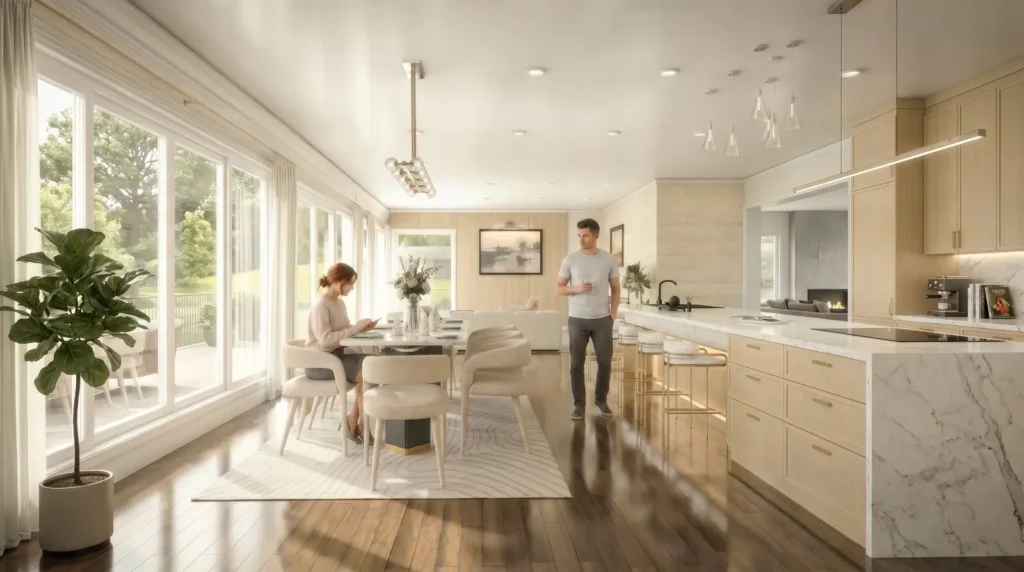
Before the adoption of 3D visualization tools, architects and designers relied heavily on 2D drawings, mood boards, material samples, and physical mock-ups to communicate ideas. While these methods are still useful, they often create several challenges during project approvals.
1. Misinterpretation of Design Concepts Without 3D Interior Rendering
Many clients struggle to fully understand technical floor plans or elevation drawings. This can lead to confusion about scale, proportions, lighting, and overall aesthetics.
As a result, approvals take longer because clients need multiple meetings and explanations before making decisions.
2. Expensive Physical Mock-Ups
Traditional workflows sometimes require physical prototypes or sample setups to help stakeholders visualize the final design. These mock-ups consume both time and budget, especially in large-scale commercial projects.
3. Increased Revision Cycles
When clients cannot clearly visualize the finished space early in the process, they are more likely to request changes later. Design modifications during or after construction can become extremely costly.
4. Delayed Project Timelines
Long approval cycles affect procurement schedules, contractor coordination, and project delivery dates. Delays at the approval stage often create a domino effect across the entire construction process.
How 3D Interior Rendering Improves the Approval Process
Faster Client Approvals with 3D Interior Rendering
One of the biggest 3D rendering benefits is faster decision-making. Photorealistic visuals help clients immediately understand how the final space will look and function.
Instead of imagining a design from technical drawings, stakeholders can see:
- Furniture arrangements
- Lighting effects
- Material finishes
- Color combinations
- Spatial flow
This clarity significantly speeds up the approval process and reduces uncertainty.
Reduced Redesign Costs Through 3D Interior Rendering
Design errors discovered during construction are expensive to fix. 3D rendering allows teams to identify potential issues early before implementation begins.
Clients can review and approve:
- Layout adjustments
- Material selections
- Lighting placement
- Interior styling decisions
By resolving concerns in the planning stage, businesses avoid costly redesigns and construction changes later.
Fewer Physical Mock-Ups
With advanced design visualization, digital renderings can replace many physical samples and prototypes. Instead of building expensive demonstration spaces, project teams can present immersive 3D views that communicate the same information more efficiently.
This reduces:
- Material waste
- Labor costs
- Production time
- Logistics expenses
For developers managing multiple projects, the savings can be substantial.
Better Communication Across Teams
Architects, interior designers, contractors, and project managers often work with different technical perspectives. 3D renderings create a shared visual reference that improves collaboration between all stakeholders.
Everyone involved can align expectations early, minimizing misunderstandings during execution.
This is especially valuable in large commercial and hospitality projects where coordination between teams is critical.
Improved Client Confidence
Clients are more likely to approve designs when they feel confident about the final result. Realistic visualizations create an emotional connection to the space and help stakeholders feel more involved in the decision-making process.
This confidence leads to:
- Faster sign-offs
- Stronger client relationships
- Smoother project execution
Traditional vs. 3D Interior Rendering Workflow
The difference between traditional approval methods and modern 3D-assisted workflows is significant.
| Traditional Workflow | 3D-Assisted Workflow |
|---|---|
| 2D drawings and sketches | Photorealistic visualizations |
| Longer approval cycles | Faster client approvals |
| Multiple revision rounds | Reduced design changes |
| Physical mock-ups required | Digital presentations |
| Higher redesign costs | Better cost control |
| Communication gaps | Clear stakeholder alignment |
Projects using 3D rendering technology often experience improved efficiency throughout the planning and execution phases.
Business Benefits of 3D Interior Rendering for Architects and Developers

Lower Overall Project Costs with 3D Interior Rendering
Reducing revisions, mock-ups, and construction errors directly impacts profitability. Businesses can allocate resources more effectively and avoid unnecessary expenses.
Faster Project Delivery
Quicker approvals help maintain construction schedules and reduce delays across procurement and execution phases.
Better Marketing and Presentations
Developers and architects can also use 3D renderings as powerful presentation tools for investors, buyers, and stakeholders. High-quality visuals enhance professionalism and improve project pitches.
Competitive Advantage
Companies that adopt advanced visualization technologies position themselves as modern, efficient, and client-focused. This can improve client trust and increase project win rates.
Where 3D Interior Rendering Delivers the Most Value
3D interior rendering is widely used across industries, including:
- Residential interior design
- Commercial office projects
- Hospitality and hotel interiors
- Retail space planning
- Real estate marketing
- Luxury property development
In each of these sectors, faster approvals and reduced redesign costs create measurable business value.
Final Thoughts
The modern construction and design industry demands faster approvals, better collaboration, and smarter cost management. Traditional design presentation methods often fall short when it comes to communication and efficiency.
By adopting 3D interior rendering, architects, project managers, and developers can simplify the interior design approval process while reducing project risks and unnecessary expenses.
From minimizing physical mock-ups to accelerating stakeholder decisions, the business advantages of design visualization are clear. As projects become more complex and client expectations continue to rise, 3D rendering is no longer just a visual enhancement — it has become an essential strategic tool for efficient project delivery.