

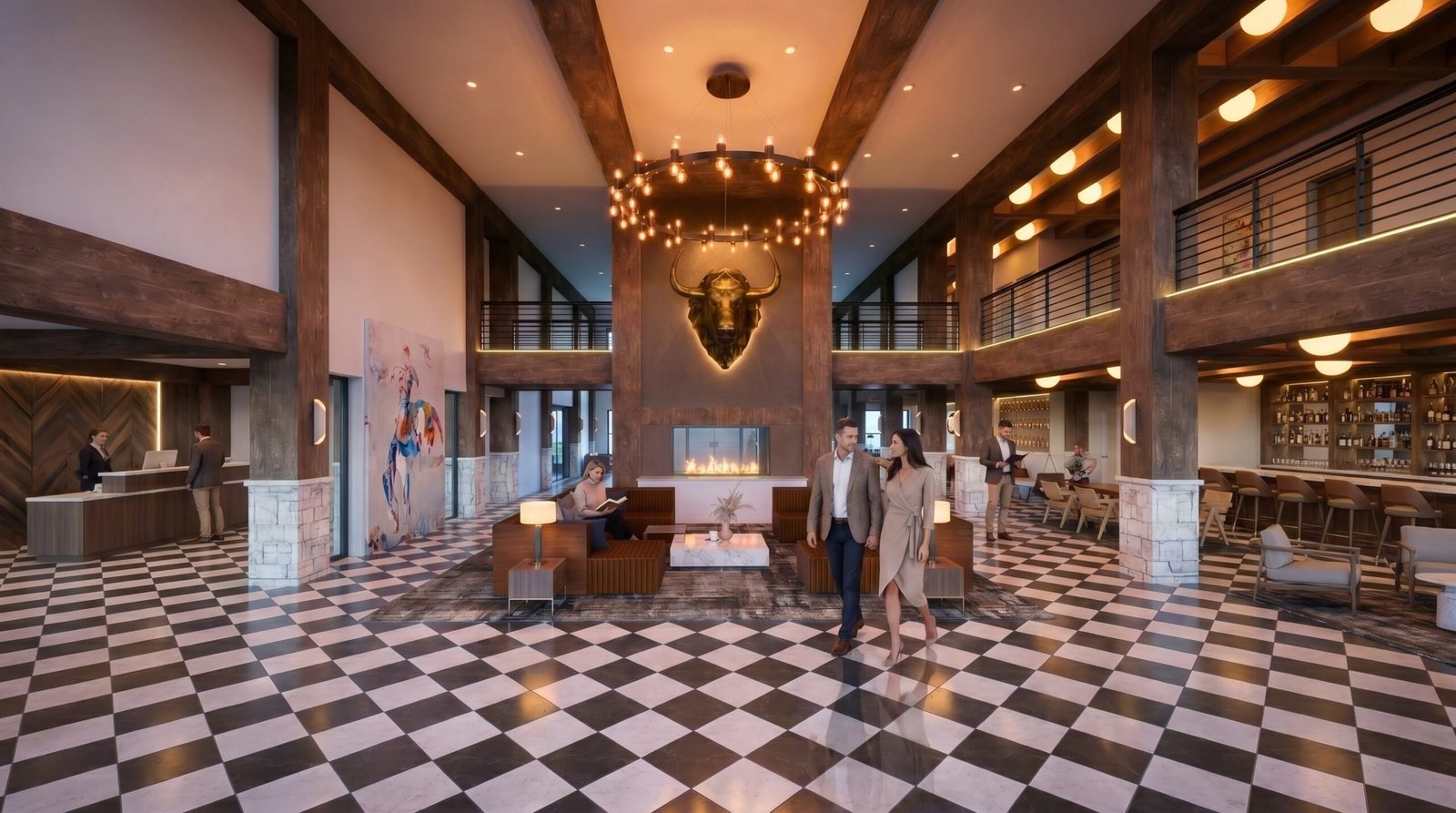
In today’s fast-paced construction and design industry, architects, project managers, and developers face increasing pressure to deliver projects faster while staying within budget. One of the biggest challenges during any interior design project is achieving smooth and efficient interior design approval from clients, stakeholders, and investors.
Traditional design presentations often rely on 2D drawings, mood boards, and physical mock-ups that can leave room for interpretation and lead to costly revisions. This is where 3D Interior Rendering has become a game-changing solution.
By providing realistic design visualization, 3D renderings help stakeholders fully understand a project’s look, feel, and functionality before construction begins. The result is faster approvals, reduced redesign costs, and significant savings in both time and money.
The Cost of Delayed Design Approvals
Every project delay impacts budgets, schedules, and resource allocation. When clients struggle to visualize a design from traditional plans, approval cycles become longer and more complicated.
Common challenges include:
- Misunderstood design intent
- Multiple revision rounds
- Delayed stakeholder approvals
- Expensive design changes during construction
- Additional meetings and presentations
- Increased project management costs
For architects and developers, these issues can significantly impact project profitability and client satisfaction.
What Is 3D Interior Rendering?
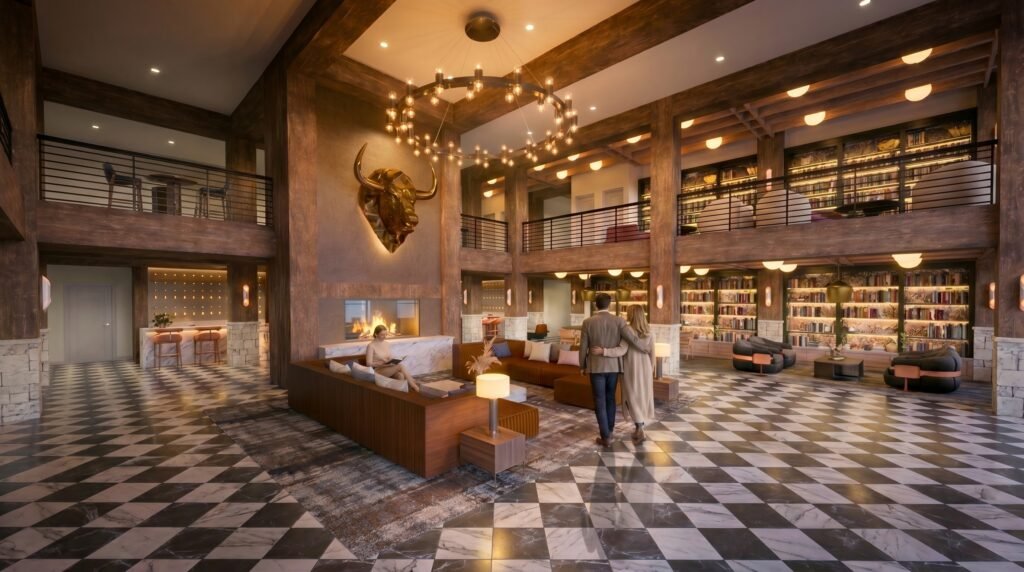
3D Interior Rendering is the process of creating photorealistic digital visualizations of interior spaces before they are built.
These renderings showcase:
- Furniture layouts
- Materials and finishes
- Lighting conditions
- Color schemes
- Architectural details
- Decor and styling elements
Advanced design visualization allows clients to experience a space almost exactly as it will appear upon completion, eliminating uncertainty and improving decision-making.
Faster Interior Design Approval Through Visualization
One of the most valuable 3D rendering benefits is accelerated interior design approval.
When clients review traditional floor plans, they often struggle to imagine the final environment. With photorealistic renderings, they can immediately understand how the completed space will look.
Benefits of Faster Approvals
- Reduced decision-making time
- Better client confidence
- Fewer clarification meetings
- Streamlined communication
- Improved stakeholder alignment
Because realistic design visualization provides a clear picture of the finished project, approval cycles can be shortened significantly.
Reducing Costly Design Revisions
Design changes become exponentially more expensive once construction has begun.
Without realistic visual references, clients frequently request modifications after materials have been ordered or construction has started.
One of the most important 3D rendering benefits is identifying design issues early in the planning stage.
Common Issues Detected Early
- Poor furniture placement
- Inadequate lighting design
- Material mismatches
- Traffic flow problems
- Space utilization concerns
- Branding inconsistencies
By resolving these issues through 3D Interior Rendering, project teams avoid expensive redesign costs and construction delays.
Eliminating the Need for Physical Mock-Ups
Traditional design approval often relies on physical mock-ups and sample rooms.
While useful, these methods can be:
- Expensive
- Time-consuming
- Labor-intensive
- Difficult to modify
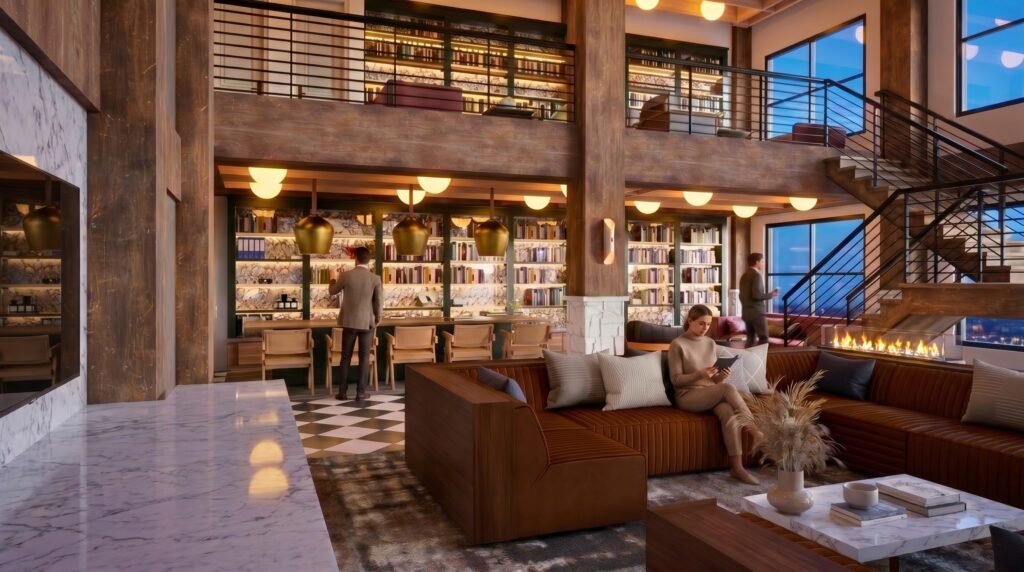
Modern design visualization allows stakeholders to review multiple concepts digitally before committing resources to physical construction.
As a result, architects and developers can save thousands of dollars in prototype and mock-up expenses.
Traditional Workflow vs. 3D-Assisted Workflow
Traditional Interior Design Approval Process
- Initial Concept Development
- 2D Drawings and Plans
- Client Review
- Revision Requests
- Additional Meetings
- Physical Samples or Mock-Ups
- Further Revisions
- Final Approval
- Construction Begins
3D-Assisted Interior Design Workflow
- Initial Concept Development
- Photorealistic 3D Interior Rendering
- Interactive Design Visualization Review
- Early Design Adjustments
- Stakeholder Approval
- Construction Begins
Key Differences
| Traditional Workflow | 3D-Assisted Workflow |
|---|---|
| Longer approval cycles | Faster approvals |
| Higher revision costs | Reduced redesign costs |
| Limited visualization | Realistic design visualization |
| Physical mock-ups required | Digital review process |
| Increased project risk | Improved decision-making |
| Higher overall costs | Better budget control |
This comparison highlights why 3D Interior Rendering is becoming an essential tool for modern design projects.
Better Communication Between Stakeholders
Successful projects depend on effective collaboration among architects, developers, contractors, investors, and clients.
Photorealistic design visualization creates a shared understanding of project goals and expectations.
Key communication advantages include:
- Clear project presentations
- Improved stakeholder engagement
- Better investor confidence
- Faster approval meetings
- Reduced misunderstandings
These communication improvements directly contribute to smoother interior design approval processes.

Why Architects, Project Managers, and Developers Choose 3D Rendering
Professionals across the architecture and construction industries increasingly rely on 3D Interior Rendering because it delivers measurable business benefits.
Major 3D Rendering Benefits
- Faster project approvals
- Lower design revision costs
- Reduced construction risk
- Enhanced client satisfaction
- Better marketing materials
- Improved project efficiency
- Stronger stakeholder communication
- Increased return on investment
For project managers and developers, these advantages can significantly improve project outcomes while protecting budgets and schedules.
Conclusion
The design approval process can often become one of the most expensive and time-consuming stages of a project. By implementing 3D Interior Rendering, architects, project managers, and developers gain access to powerful design visualization tools that simplify communication, accelerate interior design approval, and reduce costly revisions.
From eliminating physical mock-ups to improving stakeholder confidence, the business value of modern rendering technology is clear. As competition continues to increase across the construction and real estate industries, investing in high-quality rendering services is no longer a luxury—it is a strategic advantage.
Request Interior Rendering
Looking to streamline your interior design approval process and reduce project costs?
Yantram Studio provides professional 3D Interior Rendering and design visualization services for architects, developers, project managers, and design professionals worldwide.
Contact our team today to request a custom interior rendering and discover how photorealistic visualization can save time, reduce risk, and improve project success